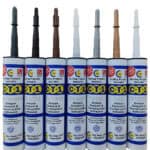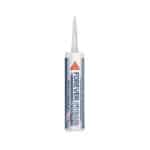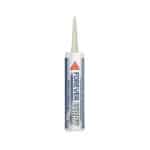
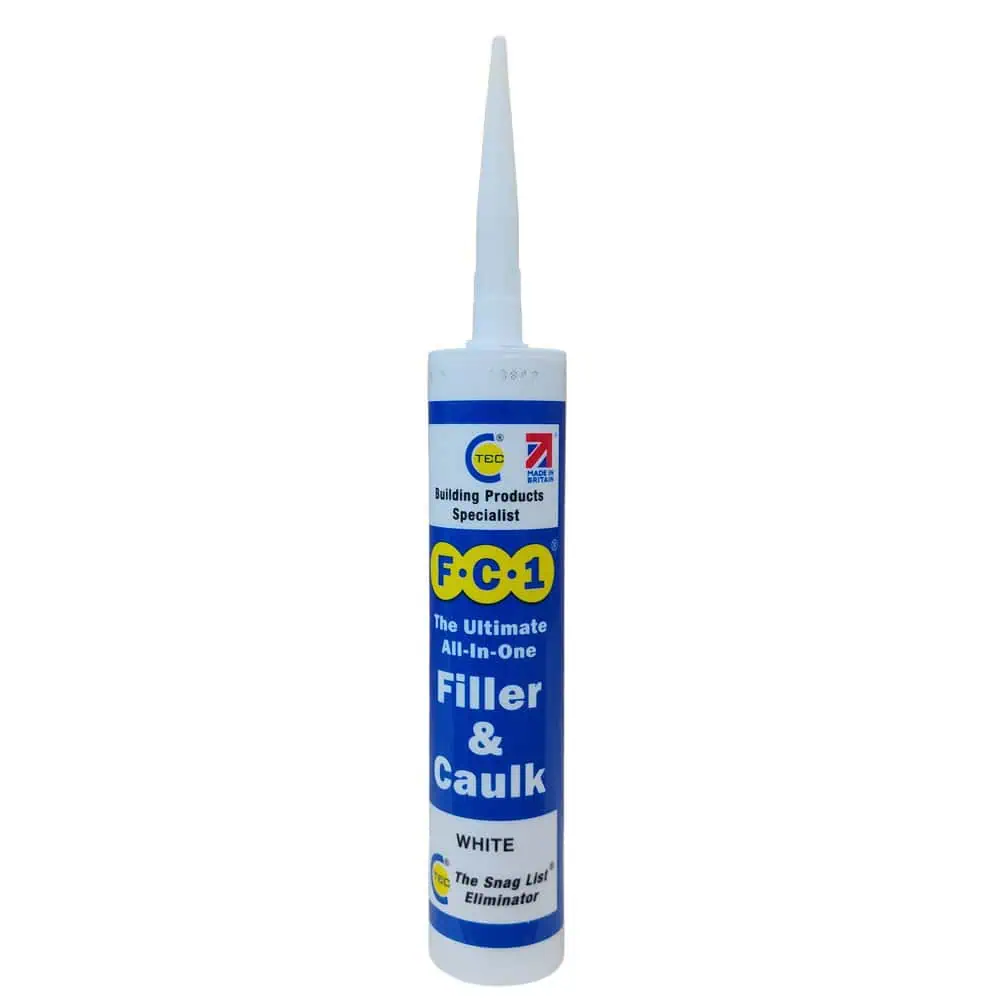

C-TEC FC1 Acrylic Filler & Caulk White 290ml
C-TEC FC1 Acrylic Filler & Caulk White 290ml is a premium, multipurpose finishing product that combines the filling ability of a traditional decorator’s filler with the flexibility and application convenience of an acrylic caulk. Developed using advanced acrylic elastomer technology, FC1 provides strong adhesion and a smooth, paintable finish across a wide variety of common building and decorating materials.
FC1 can be used to fill cracks, joints, gaps and surface imperfections around skirting boards, architraves, door frames, window boards, coving, plaster, brickwork and decorative mouldings. Its high-build, non-slump formula can fill gaps up to approximately 25mm in a single application, reducing the need for multiple layers on many routine repairs.
The white paste is supplied in a standard 290ml cartridge for use with a compatible cartridge gun. It is easy to dispense and tool, allowing both professional tradespeople and DIY users to create clean joints and repairs before decorating.
Filler and Caulk in One
Traditional fillers work well in static holes and surface damage but can crack when used along joints where limited movement occurs. Conventional decorator’s caulk is flexible and easy to apply, but it may lack the build required for deeper repairs.
C-TEC FC1 combines these two functions in one versatile product. Its advanced acrylic polymer formulation allows it to fill larger gaps while retaining enough flexibility to accommodate the limited movement commonly found between different building materials.
This makes FC1 particularly useful where timber trim meets plaster, plasterboard or masonry. These materials expand and contract at different rates as temperature and humidity change, making a degree of flexibility beneficial.
Suitable Applications
C-TEC FC1 can be used for a wide variety of repair, sealing and finishing work, including:
- Filling gaps above skirting boards
- Sealing around architraves and door frames
- Finishing gaps around window boards and frames
- Filling joints around coving and decorative mouldings
- Repairing cracks in plaster and plasterboard
- Filling gaps between timber and masonry
- Closing joints before painting and decorating
- Filling minor imperfections in walls and ceilings
- Sealing internal corners and junctions
- Completing general snagging and refurbishment work
FC1 is suitable for interior and compatible exterior applications. Exterior repairs must be protected from rain during curing and should be overpainted where required to provide a suitable weather-resistant finish. Do not use acrylic caulk as a substitute for a dedicated movement-joint, glazing or sanitary sealant.
Multi-Surface Adhesion
The formulation bonds and seals gaps between many common construction and decorating surfaces, including wood, metal, brick, stone, plaster and selected plastics. This versatility makes one cartridge suitable for numerous tasks during joinery, decorating, refurbishment and general property maintenance.
Surface compatibility should always be checked before use, particularly on unusual plastics, coated metals, polished stone or previously painted materials. A small test application will confirm adhesion and ensure the product does not affect the appearance of the surface.
Porous materials may absorb moisture from the caulk more quickly, while dense surfaces will slow drying. At least one side of the joint should ideally be porous enough to allow the water-based acrylic product to cure effectively.
Fills Gaps up to 25mm
FC1’s high-build formulation can fill gaps and voids up to approximately 25mm in a single application without slumping. This can save time when repairing larger gaps around joinery, frames or decorative trim.
Deep joints may require a suitable backing material to control the filling depth, support the caulk and produce the correct joint profile. A backing rod can also prevent three-sided adhesion in joints expected to experience movement.
The surrounding construction must be stable. FC1 will not repair active structural cracks, significant building movement, loose plaster or defective substrates. Recurring or widening cracks should be investigated before cosmetic filling.
Flexible, Crack-Resistant Finish
The elastomeric acrylic formulation provides flexibility after curing. This helps reduce the cracking that may occur with rigid fillers when applied to junctions between timber, plaster, brick and other dissimilar materials.
The product is designed for low-movement gaps and decorative finishing. It should not be used for expansion joints, structural movement joints or areas subject to continuous vibration. These applications require a dedicated high-movement sealant.
Smooth Finish Without Sanding
FC1 can be tooled to a smooth finish immediately after application, removing the need for sanding in most cases. This is particularly useful along skirting boards, architraves and coving, where sanding can damage adjoining paintwork or timber finishes.
Apply a controlled bead and smooth it before a skin begins to form. A suitable caulking tool or damp finishing tool can be used to create a neat profile. Remove excess product while it is still wet.
A smooth initial application will produce the best result. Although cured acrylic caulk can sometimes be trimmed, it is quicker and cleaner to finish the bead correctly during application.
Paintable Finish
Once cured, C-TEC FC1 can be overpainted with most common decorative paints. Its white colour provides a clean base around white-painted trim and reduces the risk of darker material showing through lighter finishes.
Allow the product to dry sufficiently before painting. Drying time depends on bead size, temperature, humidity, ventilation and the porosity of the adjoining surfaces. Large or deep repairs require longer than narrow surface joints.
Paint flexibility varies. A rigid paint applied across a moving joint may crack even if the caulk beneath remains intact. Test specialist coatings before widespread use and follow the paint manufacturer’s guidance.
Surface Preparation
Surfaces must be sound, clean and free from dust, grease, oil, soap, loose paint and other contamination. Remove failed caulk and weak filler before applying FC1. Loose or powdery backgrounds should be stabilised using an appropriate preparation product.
Dry the joint and remove standing water. Although water-based acrylic products benefit from porous surfaces, excess moisture can reduce adhesion and slow curing.
Protect adjoining finishes with masking tape where a particularly sharp edge is required. Apply the tape before filling and remove it immediately after tooling, before the caulk begins to form a skin.
How to Apply C-TEC FC1
- Make sure the surfaces are clean, sound and suitably dry.
- Remove loose filler, failed caulk and surface contamination.
- Mask the edges where a sharp, clean finish is required.
- Cut the cartridge seal carefully without damaging the threaded end.
- Attach the nozzle and cut it at approximately 45 degrees to suit the required bead width.
- Place the cartridge into a compatible caulking gun.
- Apply the product evenly while maintaining continuous contact with both sides of the joint.
- Fill the gap completely without trapping air pockets.
- Tool the bead immediately to create a smooth finish.
- Remove masking tape before the product skins.
- Allow the material to cure before painting or exposing it to service conditions.
Coverage
Coverage from one 290ml cartridge depends on the width and depth of the joint. A narrow bead around skirting or architrave will cover considerably more linear metres than a wide or deep repair.
Measure the approximate total joint length and consider the average bead dimensions before ordering. Allow additional material for surface variation, cartridge waste and wider gaps. Using backing rod in deep joints can reduce unnecessary consumption while creating a better joint profile.
Key Features and Benefits
- Premium acrylic filler and caulk
- Combines filling and sealing in one product
- Advanced elastomeric formulation
- Bonds to wood, metal, brick, stone, plaster and many plastics
- Suitable for gaps up to approximately 25mm
- High-build, non-slump consistency
- Flexible and resistant to cracking
- Creates a smooth professional finish
- No sanding normally required
- Paintable once sufficiently cured
- Suitable for interior and compatible exterior applications
- Ideal for skirting, architraves, frames and coving
- White finish
- Convenient 290ml cartridge
- Non-flammable formulation
Important Limitations
FC1 is intended for filling and caulking low-movement joints. It is not a sanitary silicone and should not be used as the primary waterproof seal around baths, showers, basins or sinks. It is also unsuitable for structural expansion joints, glazing, permanent immersion or locations requiring a specialist fire-rated sealant.
Protect freshly applied material from water, frost, dirt and movement until it has cured. Drying will take longer in cold, damp or poorly ventilated conditions and in deep joints between non-porous materials.
Cleaning, Storage and Safety
Clean uncured FC1 from tools and surrounding surfaces using water. Cured material will normally require mechanical removal. Wash hands after use and avoid prolonged contact with skin.
Wear suitable gloves and eye protection. The current safety data identifies the mixture as harmful to aquatic life with long-lasting effects, so do not release uncured product into drains, soil or watercourses. Dispose of unwanted material and packaging responsibly.
Store the cartridge upright in a cool, dry and well-ventilated location, protected from frost and extreme heat. Keep it out of reach of children and always consult the current C-TEC instructions and safety data before application.