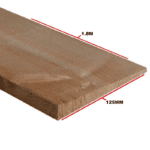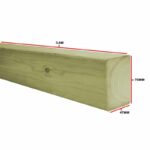
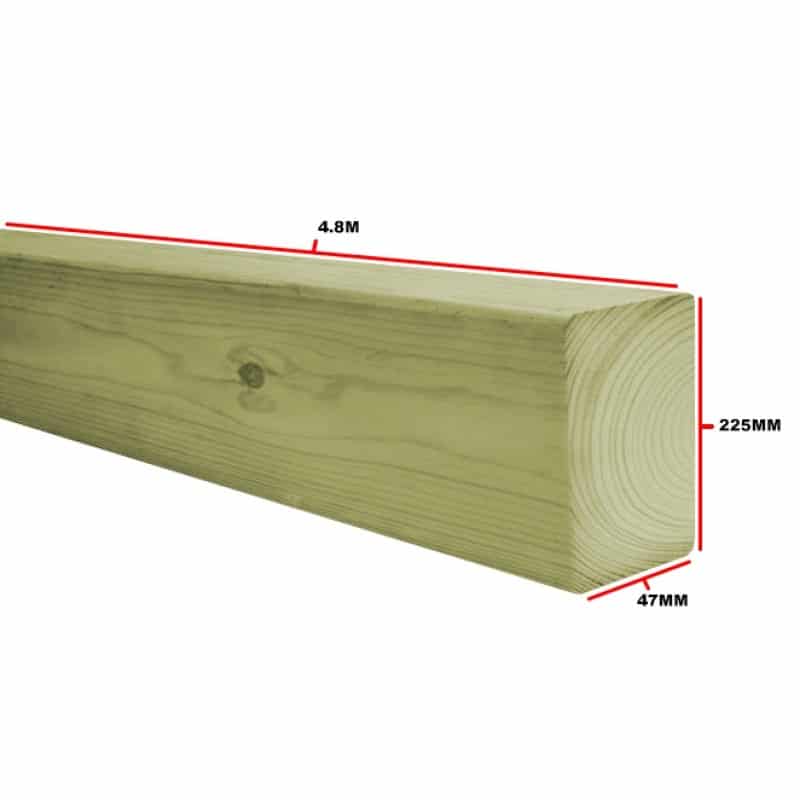
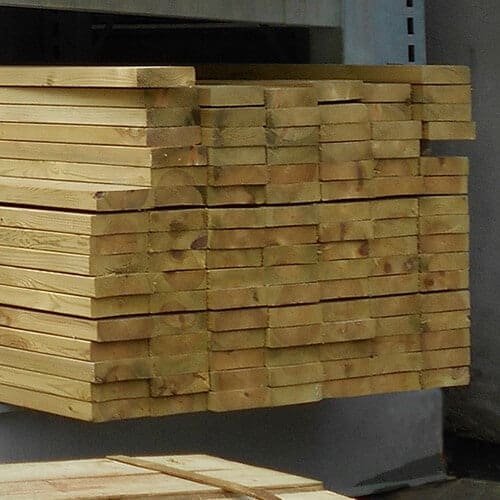

Tanalised Treated Timber 47 x 225mm 4.8m – 9×2 Timber
Tanalised Treated Timber 47 x 225mm 4.8m is a substantial pressure-treated softwood section for outdoor construction, landscaping and general building projects. It is commonly known as 9×2 timber, based on its traditional approximate imperial dimensions of 9 inches by 2 inches.
With a deep 225mm profile and a practical 4.8-metre length, this timber is suitable for larger frameworks and other applications requiring a more substantial section than common 6×2, 7×2 or 8×2 timber.
The timber has undergone a controlled pressure-treatment process that helps protect it against fungal decay and wood-destroying insects. This additional protection improves its durability when used in appropriate external environments and makes it more suitable than untreated softwood for many outdoor projects.
Product dimensions
The nominal product dimensions are:
- Metric section: 47mm x 225mm
- Common imperial name: 9×2 timber
- Length: 4.8m
- Material: Treated softwood
- Treatment: Pressure treated or tanalised
- Suitable for: Building, landscaping and outdoor projects
The name 9×2 is a familiar trade description rather than an exact conversion of the metric dimensions. Use the stated metric measurements when planning, cutting and installing the timber.
What is tanalised timber?
Tanalised timber is wood that has been treated with preservative inside a controlled pressure vessel. The vacuum and pressure process encourages the preservative to penetrate deeper into the wood than an ordinary surface-applied treatment.
This process helps protect the timber against fungal decay and damage from wood-destroying insects. When the product is correctly specified, installed and maintained, the treatment can help extend its service life in external and exposed applications.
Pressure treatment does not make the timber completely waterproof or prevent all natural changes. Timber can still absorb and release moisture, causing movement, shrinkage, weathering, surface checking and gradual colour changes.
Cutting, drilling or notching can expose untreated internal wood. Apply a suitable end-grain preservative to these areas to help maintain protection following installation.
Common uses for 9×2 treated timber
The deep 47 x 225mm section makes this timber useful for various substantial outdoor and general building projects, subject to its strength grade and the project specification.
Possible uses include:
- Large outdoor timber frameworks
- Garden buildings and structures
- Landscaping projects
- Timber supports and bearers
- Agricultural and equestrian construction
- Raised garden structures
- External carpentry and joinery
- General building work
- Bespoke garden features
- Repairs to existing timber structures
- Load-bearing members where correctly graded
- Larger outdoor DIY projects
Where structural performance is required, confirm that the timber has the correct strength classification for the intended application. Tanalised timber should not automatically be assumed to be C16 or C24 unless it is specifically marked and sold with that grade.
Required spans, support spacing, connections, loads and fixings should be confirmed by a suitably competent person.
Benefits of pressure treatment
Untreated softwood may be vulnerable to deterioration when regularly exposed to damp or outdoor conditions. Pressure treatment improves its resistance to some of the most common biological causes of timber decay.
The benefits include:
- Additional protection against fungal decay
- Protection against wood-destroying insects
- Improved durability compared with untreated softwood
- Suitable for many external applications
- Useful for landscaping and garden construction
- Supplied ready for appropriate outdoor use
- Can be cut and worked using suitable tools
- Suitable for trade and DIY projects
The correct treatment or use class must still be selected for the intended environment. Timber installed in direct ground contact or exposed to persistent moisture may require a different treatment specification.
Natural characteristics of timber
Timber is a natural product, so no two pieces will have exactly the same grain, colour or appearance. Knots, resin pockets and variations in texture are normal characteristics of softwood.
Minor splits and surface checking may develop as the timber dries. These features are not automatically defects, although their acceptability will depend on the intended use and any applicable structural grading requirements.
The pressure-treatment process increases the moisture content of the timber. As the wood dries, it may experience some shrinkage, twisting, cupping or bowing. Correct storage and installation can help manage this natural movement.
Newly treated timber may initially have a green or brown appearance depending on the preservative system used. Its colour will normally fade and weather gradually when exposed outdoors.
Important sizing information
Please note: Timber dimensions are nominal and may vary slightly due to machining, pressure treatment, moisture content and the natural movement of the wood.
The common name 9×2 is an approximate imperial description rather than a guarantee of exact finished dimensions. Customers requiring precise sizes should measure the timber before installation or contact us to confirm the specification of the available stock.
Allowing the timber to acclimatise appropriately can help where a project involves precise joints or close-fitting components.
Cutting and installation
Use suitable woodworking tools fitted with sharp blades when cutting or drilling this timber. Wear protective gloves, eye protection and appropriate respiratory protection when handling, sawing or sanding treated wood.
Work in a well-ventilated location and avoid breathing timber dust. Collect sawdust and offcuts for responsible disposal. Pressure-treated timber must not be burned on domestic fires, in wood-burning appliances or on garden bonfires.
Treat every cut end, drilled hole and notch with a compatible end-grain preservative. Use corrosion-resistant fixings suitable for pressure-treated timber, particularly where the project is external or regularly exposed to moisture.
For structural applications, the timber’s supports, fixings and connections must follow the approved design and be appropriate for the anticipated loads.
Storage and maintenance
Store the timber flat, raised off the ground and supported at suitable intervals. Protect it from prolonged saturation while allowing enough ventilation for the timber to dry evenly.
For visible outdoor applications, a compatible wood oil, stain or protective finish may be applied once the timber has dried sufficiently. Always follow the coating manufacturer’s instructions regarding preparation and moisture content.
Inspect external timber periodically, paying particular attention to joints, cut ends, fixing points and surfaces where water could collect.
Key benefits
- Deep 47 x 225mm timber section
- Commonly known as 9×2 timber
- Supplied in a practical 4.8m length
- Pressure treated against decay and insects
- Suitable for substantial outdoor projects
- Useful for landscaping and timber frameworks
- Can be cut to meet project requirements
- More durable than untreated softwood
- Suitable for trade and DIY construction
- Versatile for general external building work
Tanalised Treated Timber 47 x 225mm 4.8m – 9×2 Timber provides a deep and versatile softwood section for substantial outdoor construction, landscaping and general building projects. Always confirm its dimensions, treatment level and strength grade against the requirements of the intended application before installation.