
How To Mix Concrete & Mortar
Using the correct concrete or mortar mix is essential for achieving a strong, long-lasting finish. Whether you’re laying bricks, installing paving, building foundations or repairing walls, this guide explains the correct mixing methods and the most common mix ratios for a range of DIY and trade applications. At the end of this article, you’ll also find our recommended products to help complete your project.
Tools & Materials You’ll Need
- Cement
- Building sand
- Sharp sand
- Plasterer’s sand
- Ballast
- Coarse aggregate
- Hydrated lime
- Clean water
- Wheelbarrow
- Shovel
- Bucket
- Trowel
- Cement mixer (optional)
- Protective gloves
- Safety goggles
- Dust mask
Step 1: Mixing by Hand
Position a spot board or mixing tray close to where you’ll be working.
Measure your materials using the correct mix ratio and place them onto the board. For consistent results, it’s best to measure using a bucket rather than estimating with a shovel.
Thoroughly mix all the dry ingredients until the colour is even throughout.
Create a hollow in the centre of the pile and slowly add clean water.
Gradually pull the dry mix into the water using a shovel, turning everything over until you achieve the correct consistency.
Top Tip: Add water slowly. It’s much easier to add more water than it is to correct a mix that’s become too wet. If your sand is already damp, you’ll need less water.
Step 2: Mortar Mixes
General Bricklaying Mortar: Suitable for laying bricks, blocks and general pointing.
Mix Ratio:
- 1 Part Cement
- 1 Part Lime (or plasticiser)
- 5 Parts Building Sand
Mix with water until you achieve a smooth, workable consistency that holds its shape on a trowel.
Landscaping Mortar: Suitable for laying paving slabs and patio stones.
Mix Ratio:
- 1 Part Cement
- 4 Parts Sharp Sand
Mix to a firmer consistency than standard bricklaying mortar to provide a stable bed for paving.
Step 3: Concrete for Foundations
House Foundations
Suitable for extension foundations and heavy structural work.
Mix Ratio:
- 1 Part Cement
- 1 Part Sharp Sand
Mix with water until the concrete is firm but workable.
Garden Wall Foundations
Suitable for garden walls and general footings.
Mix Ratio:
- 1 Part Cement
- 5 Parts Ballast
Mix with enough water to produce a workable concrete that pours easily.
Step 4: General Purpose Concrete
Ideal for shed bases, paths and paving bases.
Standard Concrete Mix
- 1 Part Cement
- 2 Parts Sharp Sand
- 3 Parts Coarse Aggregate
Mix with water until you achieve a workable consistency.
Alternative Mix Using Ballast
A simpler option is:
- 1 Part Cement
- 4 Parts Ballast
Again, add water gradually until the concrete pours easily without becoming overly wet.
Step 5: Render Mix
Suitable for rendering walls and exterior coatings.
Mix Ratio:
- 1 Part Cement
- 1 Part Lime (or plasticiser)
- 6 Parts Plasterer’s Sand
Mix with water until the render sticks to a trowel when turned upside down without sliding off.
Disclaimer: This guide is provided for general information purposes only. Buildland accepts no responsibility for any injury, loss or damage resulting from the use of this information. Always follow relevant manufacturer instructions, building regulations and health and safety guidelines. All work is carried out at your own risk.
Product Recommendations

Rollycarri Cement Mixer With Mixer Stand
£345.00 - 435.00 ex. VAT
£414.00 - £522.00 inc. VAT
View ProductAdd To Basket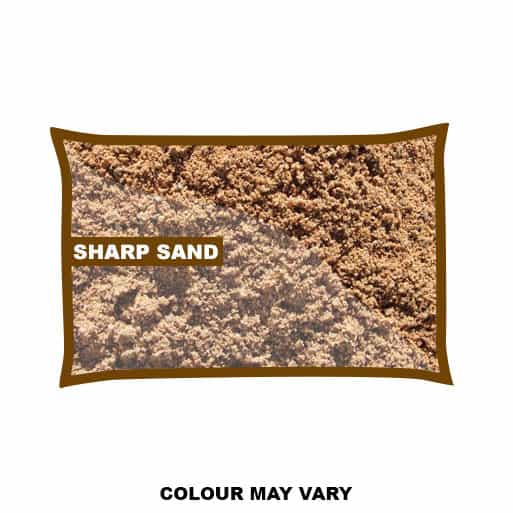
Sharp Sand Poly Bag
£2.25 ex. VAT
£2.70 inc. VAT
View ProductAdd To Basket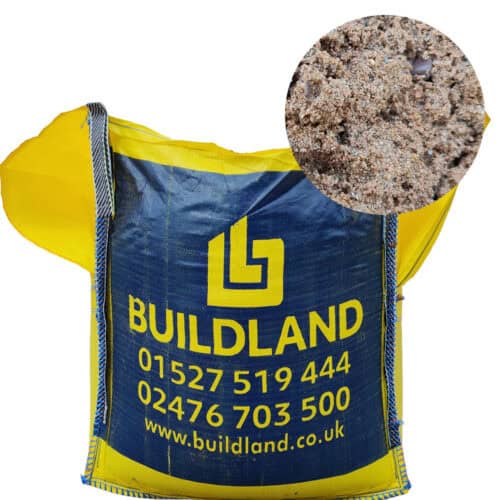
Sharp Sand Bulk Bag
£36.95 ex. VAT
£44.34 inc. VAT
View ProductAdd To Basket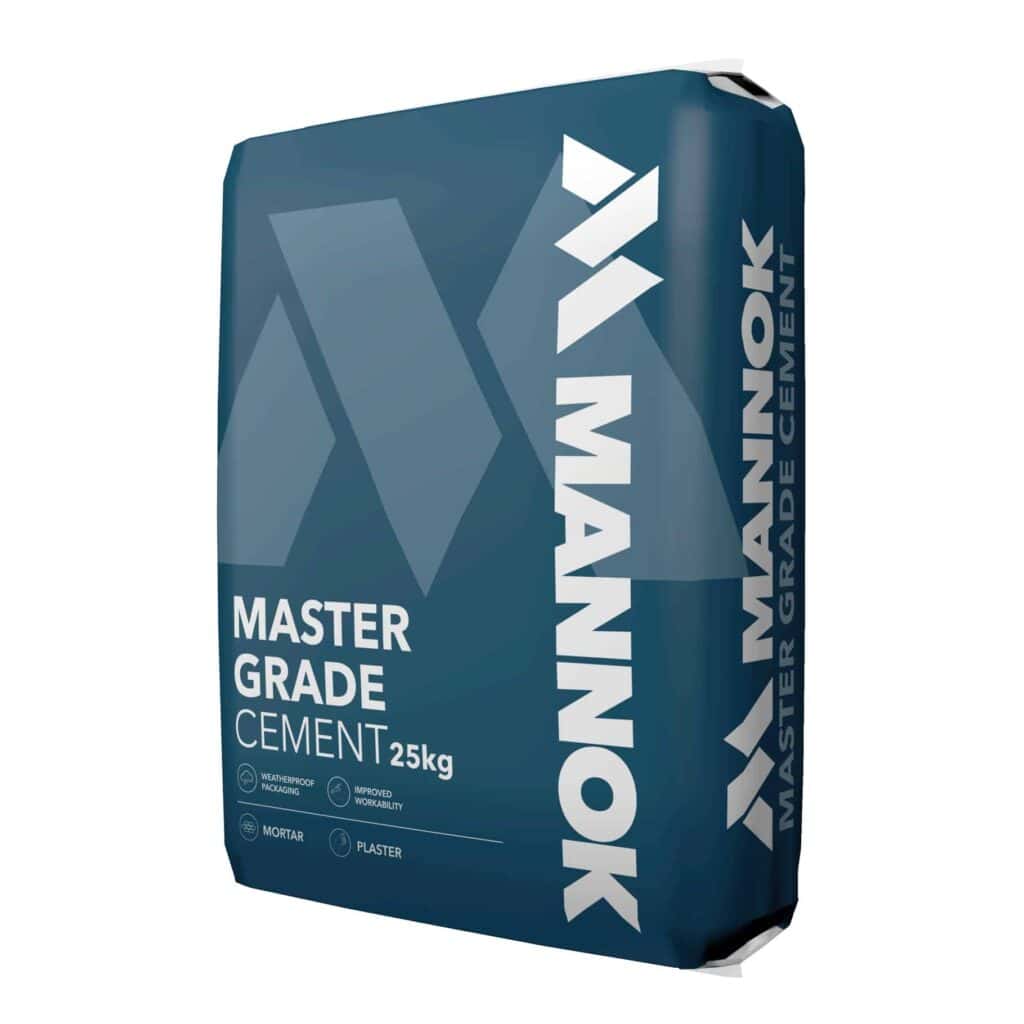
Cement Moisture Resistant Plastic Bag 25kg
£5.95 ex. VAT
£7.14 inc. VAT
View ProductAdd To Basket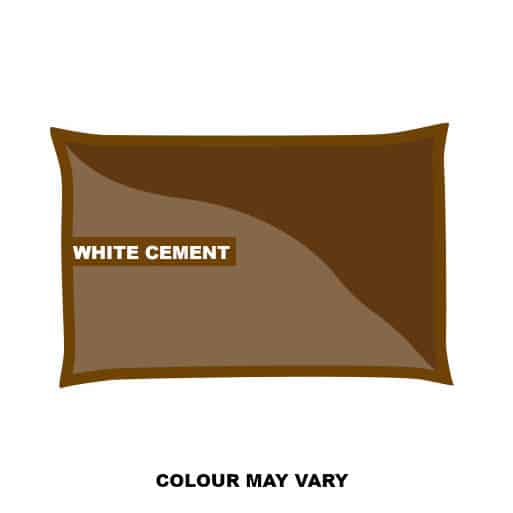
White Cement Poly Bag
£15.75 ex. VAT
£18.90 inc. VAT
View ProductAdd To Basket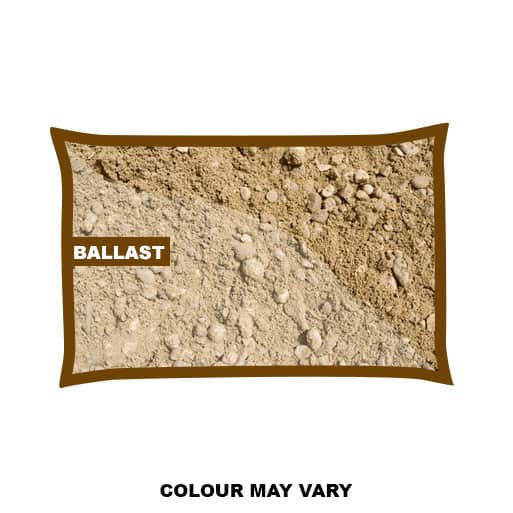
Ballast Poly Bag
£2.25 ex. VAT
£2.70 inc. VAT
View ProductAdd To Basket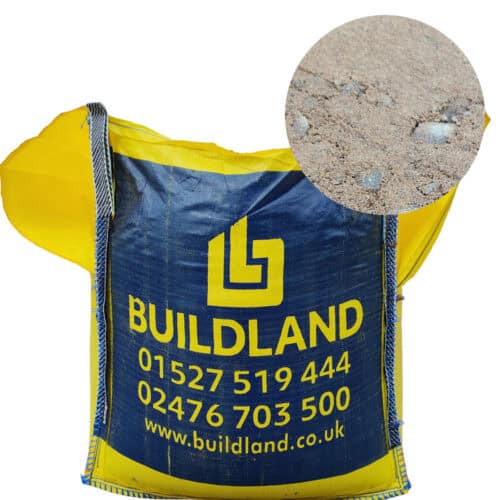
Ballast Bulk Bag
£37.95 ex. VAT
£45.54 inc. VAT
View ProductAdd To Basket
Rollycarri Cement Mixer With Mixer Stand
£345.00 - £435.00 ex. VAT
£414.00 - £522.00 inc. VAT
View ProductAdd To BasketSharp Sand Poly Bag
£2.25 ex. VAT
£2.70 inc. VAT
View ProductAdd To BasketSharp Sand Bulk Bag
£36.95 ex. VAT
£44.34 inc. VAT
View ProductAdd To BasketCement Moisture Resistant Plastic Bag 25kg
£5.95 ex. VAT
£7.14 inc. VAT
View ProductAdd To BasketWhite Cement Poly Bag
£15.75 ex. VAT
£18.90 inc. VAT
View ProductAdd To BasketBallast Poly Bag
£2.25 ex. VAT
£2.70 inc. VAT
View ProductAdd To BasketBallast Bulk Bag
£37.95 ex. VAT
£45.54 inc. VAT
View ProductAdd To Basket