
How To Lay Artificial Grass
Artificial grass is a low-maintenance alternative to natural turf, providing a neat, green lawn all year round without mowing or watering. With the correct preparation and installation, you can create a realistic-looking lawn that will last for years. Follow our simple guide below, and don’t forget to browse our recommended products at the end of this article to help complete your project.
Tools & Materials You’ll Need
- Artificial grass
- Sharp craft knife
- Hammer
- Artificial grass adhesive
- Adhesive spreader
- Jointing tape
- Spade
- Wheelbarrow
- Straight timber or screeding board
- Treated timber edging (optional)
- Motorised turf cutter (optional)
- Plate compactor (wacker plate)
- Weed control membrane
- Sharp sand
- Ground fixing pins
- Protective gloves
Important: Buildland artificial grass is designed for domestic landscaping applications and is not suitable for driveways unless specifically stated. Always follow the recommended installation guidelines.
Step 1: Remove the Existing Lawn
Remove all existing grass and vegetation to an average depth of approximately 40mm.
For larger areas, a motorised turf cutter makes the job much quicker, although a spade can also be used.
Clear away all roots, stones and debris to create a clean base.
Step 2: Create the Sand Base
Spread approximately 35mm of sharp sand evenly across the prepared area.
Use a straight piece of timber to level the surface and create an even base ready for compacting.
Step 3: Compact the Base
Compact the sharp sand using a plate compactor (wacker plate).
For smaller areas, you can also use a sturdy timber plank and sledgehammer to compact the surface.
Once compacted, lightly re-level the sand to remove any high or low spots.
A firm, level base is essential for achieving a smooth finished lawn.
Step 4: Lay the Weed Membrane
Roll out a weed control membrane over the compacted sand.
Overlap each sheet by approximately 300mm and stop around 50mm short of the lawn edge.
Secure the membrane using ground pins to prevent movement during installation.
Step 5: Position the Artificial Grass
Roll out the artificial grass across the prepared area.
Allow it to settle naturally before trimming.
Trim the edges carefully using a sharp craft knife. Cutting from the underside of the grass usually provides the cleanest and most accurate finish.
Step 6: Join the Grass Rolls
If more than one roll is required, carefully butt the edges together without overlapping.
Ensure the grass fibres are not trapped beneath the joins.
Lay every roll in the same direction so the pile looks consistent across the entire lawn.
Apply adhesive to the jointing tape using an adhesive spreader before carefully positioning each edge onto the tape.
Once joined, gently brush or ruffle the fibres along the seam to disguise the joint.
Disclaimer: This guide is provided for general information purposes only. Buildland accepts no responsibility for any injury, loss or damage resulting from the use of this information. Always follow relevant manufacturer instructions, building regulations and health and safety guidelines. All work is carried out at your own risk.
Product Recommendations
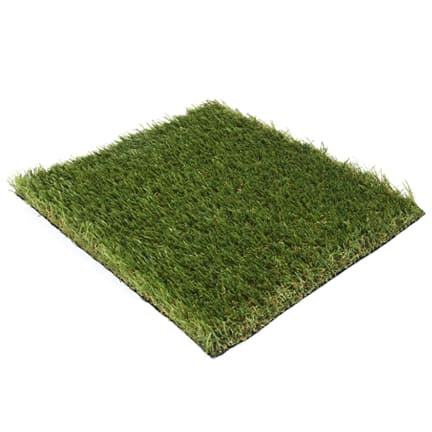
Artificial Grass Lido Plus 30mm Per m2
£12.88 ex. VAT
£15.46 inc. VAT
View ProductAdd To Basket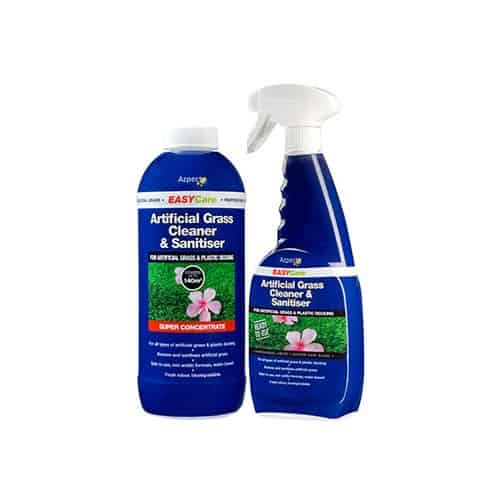
Azpects Easy Care Artificial Grass Cleaner & Sanitiser
£9.95 - 15.95 ex. VAT
£11.94 - £19.14 inc. VAT
View ProductAdd To Basket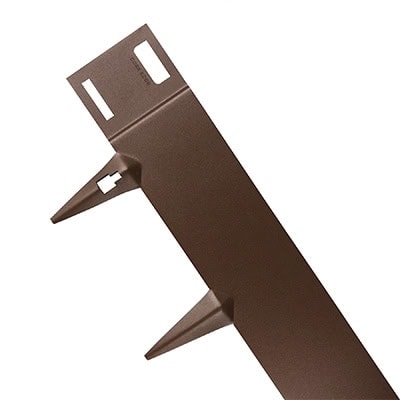
Artificial Grass Edgings
£12.25 ex. VAT
£14.70 inc. VAT
View ProductAdd To Basket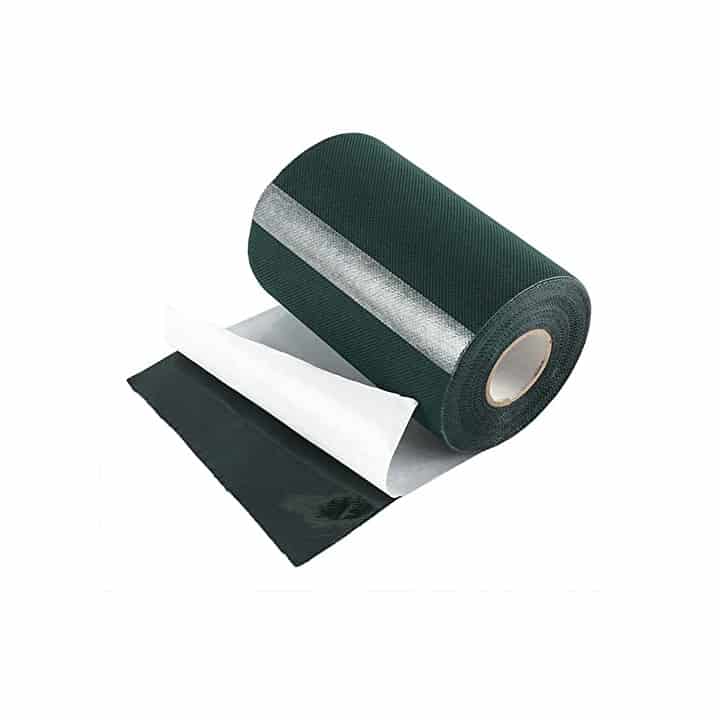
Artificial Grass Joint Tape Per L/M
£0.83 ex. VAT
£1.00 inc. VAT
View ProductAdd To Basket
Artificial Grass Lido Plus 30mm Per m2
£12.88 ex. VAT
£15.46 inc. VAT
View ProductAdd To BasketAzpects Easy Care Artificial Grass Cleaner & Sanitiser
£9.95 - £15.95 ex. VAT
£11.94 - £19.14 inc. VAT
View ProductAdd To BasketArtificial Grass Edgings
£12.25 ex. VAT
£14.70 inc. VAT
View ProductAdd To BasketArtificial Grass Joint Tape Per L/M
£0.83 ex. VAT
£1.00 inc. VAT
View ProductAdd To Basket